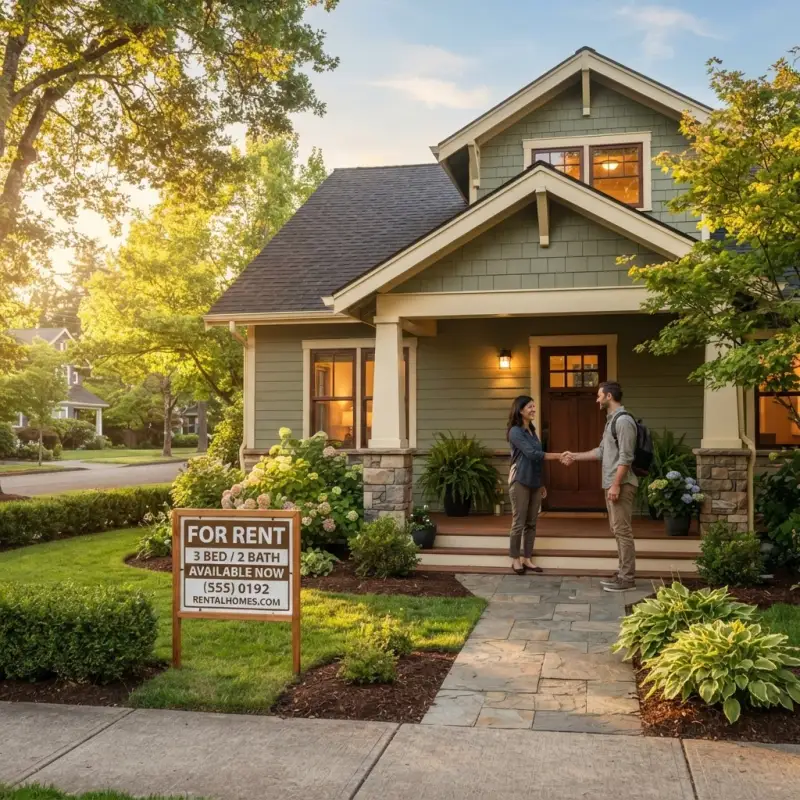
You can sell a rental property with tenants still living in it, and in many cases it is actually easier than you think. Whether your lease is month to month or you have a year left on a fixed term, there are buyers, including cash buyers, who will purchase the property with tenants in place and never require you to force anyone out.
Know What Kind of Lease You Have
Before you list your rental, figure out exactly what agreement is in place, because it determines what you can and cannot do.
- Month to month lease: generally easier to sell, since either party can end the arrangement with proper notice
- Fixed term lease: the lease survives the sale, and the new owner inherits it as the landlord
- Section 8 or subsidized housing: additional rules apply, including what happens to the HAP contract at closing. See our full guide to selling a rental property with Section 8 tenants
Whatever the lease type, the tenant’s rights do not disappear just because you sell the house. The new owner steps into your shoes as landlord and must honor the lease terms already in place.
Your Two Main Selling Paths
When it comes to selling an occupied rental, you really have two options.
Sell With the Tenant in Place
This is the fastest and least disruptive route. Investors and cash buyers actively look for rental properties with paying tenants already in place, because it means instant cash flow with no vacancy period. You keep collecting rent right up until closing, and the new owner simply takes over as landlord.
Sell With Vacant Possession
Some buyers, especially owner occupants who want to move in themselves, will only buy if the home is vacant. This means you would need to wait for the lease to end naturally, or in some cases offer the tenant a cash-for-keys arrangement to leave early. This path usually takes longer and can create friction with a tenant who has done nothing wrong.
Tenant Rights You Need to Respect
Every state has landlord tenant laws that protect renters during a sale, and ignoring them can create legal headaches for you or the new owner.
- Tenants must receive proper notice before any showings, usually 24 to 48 hours depending on your state
- You cannot end a fixed term lease early just because you want to sell
- Security deposits typically transfer to the new owner along with the lease
- Retaliatory actions against a tenant for cooperating with showings are illegal in most states
Being upfront and respectful with your tenant during the process tends to make the whole sale smoother. A tenant who feels blindsided is far more likely to be uncooperative with showings or inspections.
We had a tenant with eight months left on her lease and honestly thought that would scare buyers away. Best Property Offer Today made an offer within two days and closed without ever asking us to remove her. It was the easiest sale we’ve had on any of our rentals.
Why a Cash Buyer Is Often the Better Fit
Traditional retail buyers usually want to move in themselves, which means they need the property vacant, inspections scheduled around the tenant’s availability, and financing that can fall through over a tenant-related issue. A cash buyer changes that equation.
- No requirement for vacant possession
- No financing contingencies that can collapse the deal
- Closing happens on your timeline, often in 7 to 14 days
- No repairs needed, even if the tenant has caused wear and tear
- The lease and security deposit transfer cleanly at closing
This matters even more if you are managing the property from out of state or simply do not want the hassle of coordinating a vacant sale around someone else’s living situation.
Steps to Selling Your Rental With Tenants In Place
Here is a simple sequence to follow if you want to keep the tenant in place through closing.
- Review the lease terms and confirm what transfers to a new owner
- Notify your tenant of your intent to sell and what to expect during the process
- Gather lease documents, rent rolls, and security deposit records for the buyer
- Get a cash offer from a buyer who is comfortable purchasing occupied property
- Coordinate any necessary access with proper notice to your tenant
- Close and transfer the lease and deposit to the new owner
Selling a rental property does not have to mean disrupting a paying tenant’s life, and it does not have to mean months of vacancy while you wait for a lease to expire. If you want to explore what your occupied rental could sell for, get your free cash offer today and see your options with no obligation.
Compare Your Options Before You Decide
Every rental situation is a little different, and the right path depends on your lease, your tenant relationship, and how quickly you need to sell. If you are also weighing whether to sell as-is versus fixing things up first, our guide on selling a house as-is walks through that decision. And if speed is your top priority, see how a cash sale stacks up against Opendoor and other iBuyer alternatives.
Ready to sell your rental, tenant and all? Compare cash offers today and get a real number without any pressure to force your tenant out.
Frequently Asked Questions
Can I sell my rental property while a tenant is still living there?
Yes. You can sell at any time, but if there is a fixed term lease in place, the new owner must honor it. The tenant’s rights carry over to the new landlord.
Do I have to tell my tenant I am selling the house?
Most states require you to give notice before showings and inspections, and it is good practice to inform your tenant early so they are not caught off guard.
Will the buyer make me evict the tenant first?
Not always. Many cash buyers and investors prefer to buy with a paying tenant already in place. Only buyers who plan to move in themselves usually require vacant possession.
What happens to the security deposit when the property sells?
The security deposit typically transfers to the new owner, who becomes responsible for returning it according to the lease terms and state law.
Is it harder to sell an occupied rental than a vacant house?
Not necessarily. While some retail buyers avoid occupied rentals, investors and cash buyers often prefer them because the tenant provides immediate rental income with no vacancy gap.